How the Paver Installation Process Works Step-by-Step
People searching for how the paver installation process works step-by-step are often looking to understand the project and want local contractors who can expertly handle each stage.
Understanding how the paver installation process works step-by-step can help property owners make informed decisions when planning outdoor improvements. Whether preparing for a new patio, walkway, or driveway, knowing what to expect can ease concerns and ensure the project aligns with personal goals. Since many local contractors specialize in paver installation services, exploring this process can also help identify the right professionals to handle each phase of the project efficiently and effectively.
Property owners in the area often look into this topic to better understand the scope of work involved and to ensure a smooth renovation experience. Recognizing the key steps involved-from site preparation to final finishing-can highlight the value that experienced service providers bring to the job. Keep reading to discover how local contractors can assist at every stage, ensuring a durable and attractive outcome for outdoor spaces.
- Paver driveway installation - homeowners needing a durable and attractive driveway can rely on local contractors who follow a step-by-step process to prepare the base, lay the pavers, and ensure proper sealing.
- Patio paving services - those looking to create an outdoor living space can find local pros skilled in designing and installing patios with a clear, methodical approach to ensure stability and aesthetic appeal.
- Walkway installation - individuals wanting safe and visually appealing paths can connect with service providers experienced in planning and executing precise paver layouts for smooth walkways.
- Pool deck paving - property owners seeking to enhance their pool area can work with local contractors who carefully prepare surfaces and install pavers for slip resistance and durability.
- Commercial paving projects - businesses planning to improve their outdoor spaces can depend on local pros to handle large-scale paver installations with a structured, step-by-step approach.
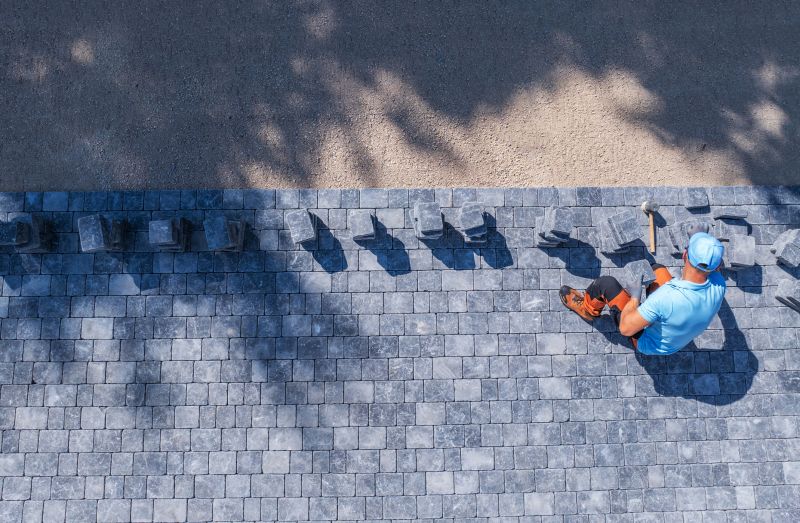
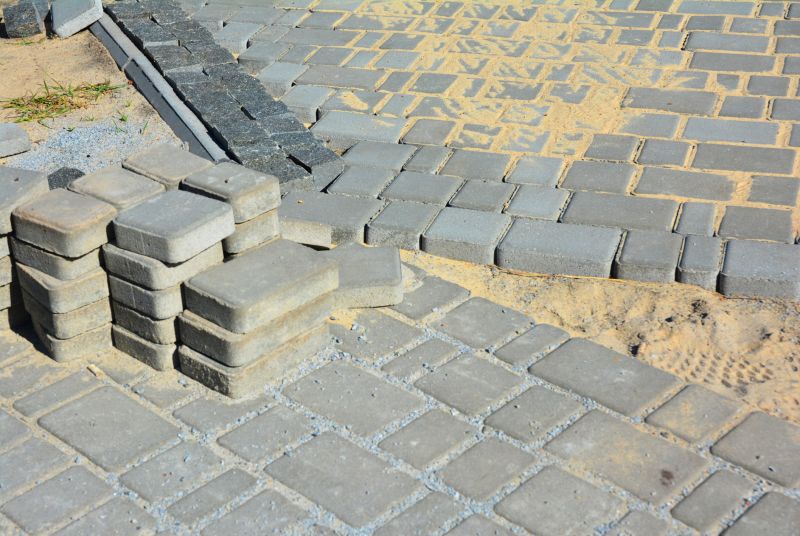
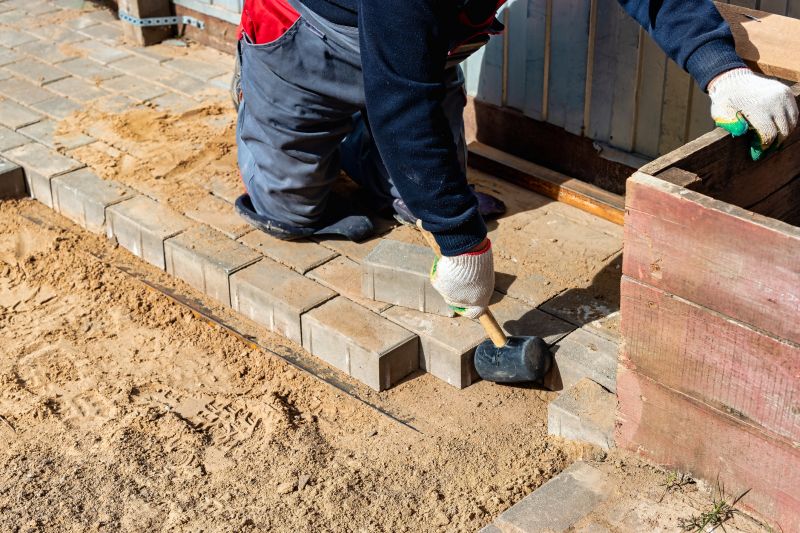
When homeowners search for how the paver installation process works step-by-step, they are often trying to understand what to expect when planning a new outdoor surface or renovation project. This topic typically relates to plans for creating or improving patios, walkways, driveways, or pool decks. Many property owners want to know the sequence of tasks involved, from initial preparation to the final finish, to ensure the project aligns with their expectations. Understanding this process helps them evaluate the scope of work, identify potential challenges, and determine how local contractors can fit into the project to deliver quality results.
The process of installing pavers is connected to various property-related goals, such as enhancing curb appeal, increasing outdoor usability, or repairing existing surfaces that have become uneven or damaged. Common problems that lead homeowners to explore this topic include cracked or shifting concrete, drainage issues, or the desire for a more durable and attractive surface. Whether the property is a residential backyard, a commercial plaza, or a public park, the steps involved in paver installation are similar. Knowing how the process unfolds allows property owners to plan effectively and communicate clearly with service providers about their specific needs.
Properties that typically come up in discussions about paver installation include residential homes, especially those with landscaped yards, as well as commercial properties like shopping centers or office complexes. These spaces often require durable, low-maintenance surfaces that can withstand foot traffic, vehicle weight, and weather conditions. The size and scope of the property influence the complexity of the installation, but the core steps-such as site assessment, excavation, base preparation, and paving-remain consistent. Homeowners and property managers often seek out local contractors experienced in handling projects of various sizes and types to ensure the work is done correctly and efficiently.
Understanding how the paver installation process works step-by-step helps property owners see how local service providers fit into their projects. These contractors bring expertise in preparing the site, selecting appropriate materials, and executing each phase of installation with precision. They can advise on the best design options, ensure proper drainage and stability, and handle the technical aspects of laying pavers to achieve a long-lasting result. For homeowners, this process offers clarity and confidence that their outdoor surfaces will be built to last, with the help of experienced local pros who understand the nuances of paver installation across different property types.
Concrete paving projects - these projects require similar planning and surface preparation skills as paver installations, involving substrate leveling and material handling by local contractors.
Patio and walkway construction - building patios and walkways involves precise layout, excavation, and surface finishing, which aligns with the skills used in paver installation processes.
Retaining wall installation - installing retaining walls requires understanding of soil support and proper placement, skills that complement the groundwork involved in paver projects.
Driveway resurfacing services - resurfacing or repairing existing driveways involves surface prep and material application, similar to the steps in paver installation.
Landscape edging projects - creating defined borders with edging materials shares planning and installation techniques with paver layouts and patterns.
Drainage system installation - integrating drainage solutions involves site assessment and planning, which are crucial for proper paver installation to prevent water issues.
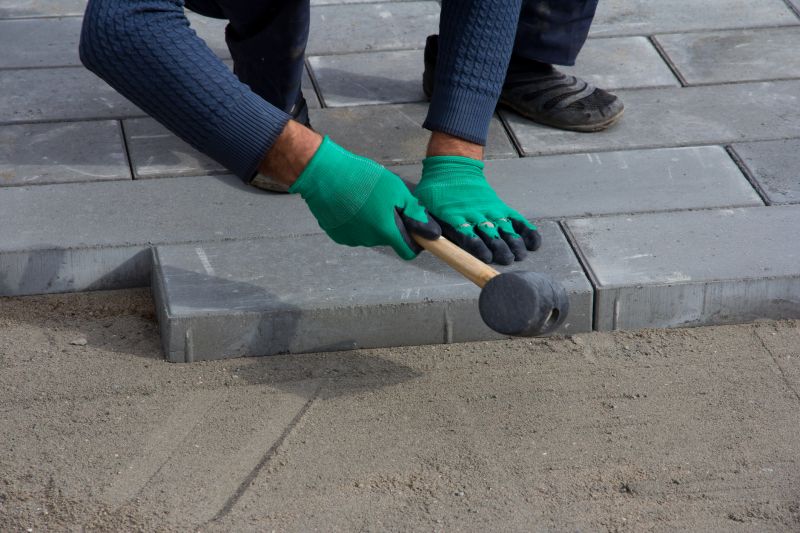
When comparing local contractors for paver installation services, it’s important to consider their experience with similar projects. Homeowners should look for service providers who have a proven track record of completing paver installations comparable in scope and style. Contractors with relevant experience are more likely to understand the nuances of the process, such as site preparation, proper base installation, and finishing techniques, ensuring a smoother project flow and a durable result. Asking for details about past work or viewing portfolios can help gauge their familiarity with the specific type of paver project in mind, providing confidence in their ability to handle the job effectively.
Clear written expectations are essential when evaluating potential service providers. A reputable contractor should be able to outline the steps involved in the paver installation process, including materials used, the sequence of work, and what the homeowner can expect at each stage. This transparency helps prevent misunderstandings and ensures everyone is aligned on project scope and responsibilities. Homeowners should seek contractors who provide detailed, easy-to-understand proposals or estimates that specify the work involved, timelines, and any preparation or cleanup needed, fostering a foundation of trust and clarity from the outset.
Reputable references and strong communication are key factors in choosing the right local contractor. Service providers with positive references from previous clients demonstrate a history of reliable work and professionalism. Additionally, good communication-such as prompt responses to inquiries and willingness to answer questions-indicates a contractor’s commitment to customer satisfaction and transparency throughout the project. Homeowners should prioritize contractors who are approachable and clear in their communication, as this can significantly impact the overall experience and help ensure the paver installation process proceeds smoothly from initial planning through project completion.
Property owners often search for how the paver installation process works step-by-step when they are planning practical projects around their homes and businesses. Local pros provide Paver Installation Process services for everyday jobs and straightforward project options.
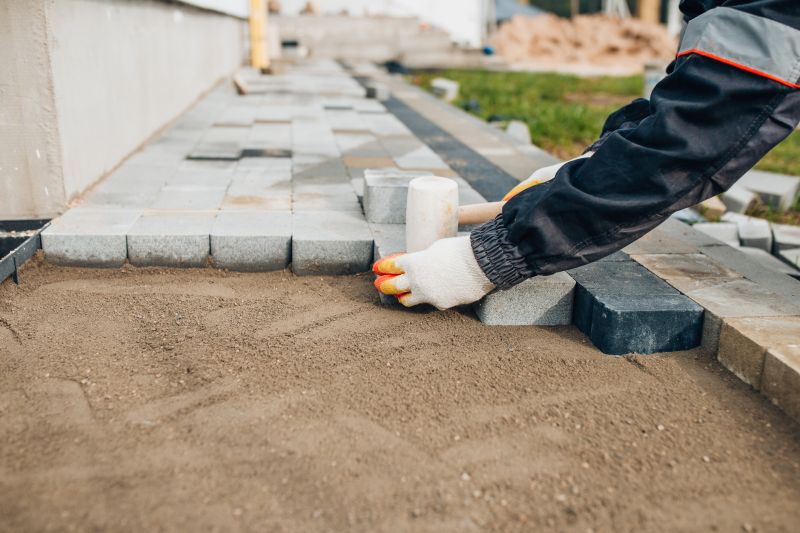
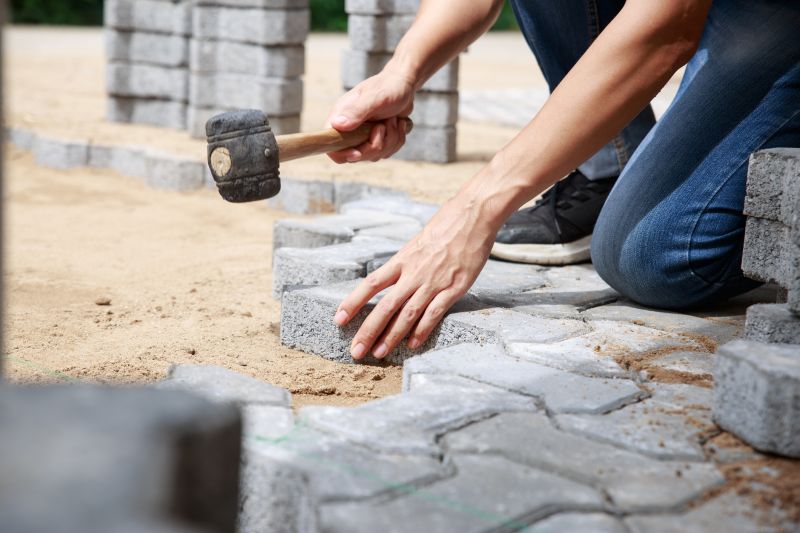
Understanding how the paver installation process works step-by-step can help property owners plan for improvements to driveways, patios, or walkways. Typically, local contractors start by preparing the area, which involves removing existing surfaces and ensuring the ground is level and stable. This foundational work is essential for a durable installation and helps avoid issues like shifting or cracking later on. Once the site is ready, the pros will lay down a base layer of gravel or sand to provide proper drainage and support for the pavers, ensuring the finished surface remains even and secure over time.
After the base is in place, the installation team carefully places the pavers in the desired pattern, making adjustments for alignment and spacing. They often use tools to ensure each paver is set at the correct height and tightly packed to prevent movement. Finally, a layer of sand or polymeric material is spread over the surface and swept into the joints, locking the pavers in place. This step-by-step process, handled by experienced service providers, results in a functional and attractive paved surface that enhances the property’s appearance and usability.
What are the main steps involved in the paver installation process? The process typically includes site preparation, excavation, base installation, paver placement, and finishing touches. Local contractors follow these steps to ensure a durable and attractive result.
How do local service providers prepare the site before installing pavers? They clear the area, remove existing materials if needed, and level the ground to create a stable foundation for the pavers.
What materials are used during the paver installation process? Common materials include gravel or crushed stone for the base, sand for bedding, and the pavers themselves, along with edging and jointing sand.
How do local contractors ensure the pavers are properly installed and aligned? They carefully lay the pavers in the desired pattern, use tools to maintain level and spacing, and compact the surface to secure the pavers in place.
What is the final step in the paver installation process? The final step usually involves adding jointing sand between the pavers and sweeping it into the joints, followed by compacting the surface to complete the installation.
Preparing the Site - Property owners can work with local contractors to clear and level the area, ensuring a solid foundation for paver installation.
Designing the Pattern - Discussing design options with local service providers helps plan a layout that complements the property's style and functionality.
Installing the Base - Local pros can handle excavating, compacting, and laying the base materials to provide stability for the pavers.
Laying the Pavers - Property owners can oversee the placement of pavers according to the chosen pattern, with contractors ensuring proper alignment and spacing.
If you are thinking about how the paver installation process works step-by-step for a property, this guide is meant to help you understand this topic, the typical project types, and how different options might fit your plans.
When you are ready, you can use the quote form on this page to share a few details about your project. From there, local pros can review the basics and follow up with options that match what you have in mind.